PRECISION ENGINEERING / BATAM
PRECISION
ENGINEERING

Manufacturing Excellence: From Design Efficiency to Sustainable Practices ​

Manufacturing Excellence: From Design Efficiency to Sustainable Practices

"The Power of Design for Manufacturing (DFM) in Modern Production: Exploring the principles of DFM and how it ensures efficient and cost-effective manufacturing processes”

In today’s manufacturing landscape, Design for Manufacturing (DFM) is crucial for success. DFM optimizes the design phase, emphasizing efficient manufacturability, cost reduction, and operational efficiency. Unlike conventional methods, DFM bridges the gap between design and manufacturing, promoting a streamlined and collaborative approach. By integrating manufacturing considerations seamlessly into the design process, DFM ensures that products are not only functional and aesthetically pleasing but also optimized for cost-effective production. Principles such as material selection, ease of assembly, tolerance analysis, and the use of tools like Computer-Aided Design (CAD) software contribute to a transformative era in manufacturing. Embracing DFM provides companies with a competitive edge, delivering high-quality products efficiently and at a reduced cost, aligned with Industry 4.0 principles.

“Advancements in Tool Fabrication: Precision, Efficiency, and Durability: Discussing the latest technologies in tool fabrication and their role in ensuring high-quality plastic injection molding”

Tool fabrication in plastic injection molding has evolved significantly. Precision, efficiency, and durability are key focuses, with technologies like Computer Numerical Control (CNC) machining and 3D printing revolutionizing precision in crafting molds. This ensures faithful replication of intricate designs, minimizing material waste for cost-efficiency. Efficiency is enhanced through automation and Industry 4.0 integration, utilizing high-speed machining and adaptive toolpaths for faster fabrication without compromising precision. Durability is paramount, with innovations in materials like high-strength alloys and coatings reducing the need for frequent replacements. Advanced heat treatment processes ensure tools withstand the demands of high-volume production. Recent advancements in tool fabrication mark a paradigm shift, elevating product quality, cost-effectiveness, and sustainability in plastic injection molding.

“Secondary Processes in Manufacturing: Beyond Basic Molding: Highlighting the technological nuances of secondary processes, from advanced printing techniques to rigorous lab testing.”

Secondary processes in manufacturing are advancing beyond basic molding, embracing technologies like 3D printing and additive manufacturing. These allow for intricate designs and customized components, enhancing visual aesthetics and innovation. Rigorous lab testing has become integral, ensuring products meet and exceed industry standards. Quality assurance, from material durability assessments to performance simulations, is now an integral part of the manufacturing process. This evolution signifies a departure from convention, embracing technological nuances to redefine industry standards.

“SMT PCBA: The Backbone of Modern Electronics Manufacturing: Exploring the intricacies of Surface Mount Technology (SMT) for Printed Circuit Board Assembly (PCBA) and its role in producing compact and efficient electronic products.”

Surface Mount Technology (SMT) for Printed Circuit Board Assembly (PCBA) is a linchpin in modern electronics manufacturing, enabling the development of compact and efficient electronic products. Departing from traditional methods, SMT allows meticulous component placement directly onto the circuit board’s surface, creating smaller, lighter, and densely populated boards. Precision in component placement through SMT is integral, defining contemporary electronic design. SMT PCBA redefines efficiency through automated processes like advanced pick-and-place machines and reflow soldering, reducing manufacturing costs. The versatility of SMT PCBA is a catalyst for innovation, accommodating a range of components, from resistors to integrated circuits, offering flexibility for intricate and feature-rich electronic products.

“Wire Harness Technology: Ensuring Safe and Efficient Electrical Connections: A deep dive into the technology behind wire harnessing and its significance in various industries.”

Wire Harness Technology ensures efficient and secure electrical connections across industries. Beyond cable management, wire harnesses are organized assemblies serving as the circulatory system for devices. Precision in assembly guarantees reliability, minimizes interference, and protects wiring. Wire harness technology contributes to organized and dependable electrical connectivity across various industries. Its adaptability transcends industry boundaries, finding applications in automotive, aerospace, medical devices, and consumer electronics. Wire harness technology remains a fundamental element, bridging efficiency and safety in the complex web of electrical connections

”Box-Build Assembly: The Convergence of Multiple Technologies: Discussing the multi-faceted approach to box-build assembly and how it brings together various manufacturing technologies.”

Box-Build Assembly integrates diverse technologies into intricate electronic systems. This approach streamlines the production workflow, harmonizing technologies such as PCB fabrication, cable assembly, precision machining, and system integration. Collaboration among engineers, designers, and manufacturers ensures seamless integration. Rigorous testing and efficient logistics emphasize a holistic approach, prioritizing quality, reliability, and efficiency in electronic systems production. Box-Build Assembly symbolizes the convergence of technology, expertise, and a comprehensive approach to manufacturing excellence.

”Global Shipping in the Digital Age: Leveraging Technology for Seamless Logistics: Exploring the tech-driven methodologies that ensure efficient, trackable, and timely worldwide shipping.”

   Global Shipping undergoes a transformative shift, leveraging technology for efficient logistics on a global scale. Advanced software solutions and data-driven methodologies redefine the shipping process, introducing visibility and efficiency. Tech-driven methodologies optimize global shipping, utilizing innovations like automated route optimization, IoT devices for real-time monitoring, and AI/ML algorithms for predictive insights. In the digital age, the focus on timely deliveries and transparency in global shipping is paramount. Advanced tracking systems provide real-time visibility, while blockchain ensures security and transparency. Smart contracts reduce errors and delays, enhancing overall efficiency and reliability in international trade.


”The Role of Business Analysis & Consultancy in Tech-Driven Manufacturing: Highlighting how data analytics, AI, and other technologies are reshaping business consultancy in the manufacturing sector.”

   The partnership between Business Analysis & Consultancy and technology drives digital transformation. Data analytics, AI, and advanced technologies provide manufacturers with actionable insights, transcending traditional consulting paradigms. Business analysts leverage these tools to optimize operations and make informed decisions, fostering innovation and resilience. This data-centric approach positions manufacturers at the forefront of the evolving manufacturing landscape, guiding them through the integration of emerging technologies. Business Analysis & Consultancy in manufacturing becomes increasingly future-oriented, ensuring seamless integration of tech-driven solutions for enhanced efficiency and competitive edge.

”Incorporating Green Technologies in Plastic Injection Moulding: Discussing the sustainable technologies and practices being adopted in the industry and their implementation at leading-edge companies.”

   The plastic injection molding industry is shifting towards sustainability, with leading-edge companies adopting green technologies. Innovations include the integration of bioplastics derived from renewable resources and optimizing manufacturing processes to minimize waste. These initiatives align with environmental stewardship, showcasing a commitment to a conscientious and sustainable approach. Sustainable practices in plastic injection molding address concerns about end-of-life disposal and contribute to a circular economy. Leading-edge companies that prioritize green technologies gain a competitive edge, meeting the expectations of an environmentally conscious consumer base and influencing global environmental policies. Incorporating green technologies is a strategic imperative for companies aiming to thrive in a sustainable future.

Revitalizing Team Unity and Productivity: GIH’s Dynamic Aerobic Boost and Health Wellness Program

"Revitalizing Team Unity : GIH's Gymnastics Boost"

In a dedicated effort to promote a balanced lifestyle and strengthen interpersonal bonds among team members, Galaksi Investasi Harapan (GIH) hosted an gymnastics session on November 17, 2023. The event, led by Coach Juniy from Komunitas Senam Nusantara (KSN), garnered enthusiastic participdation from the entire GIH workforce. This initiative aims not only to enhance health but also to fortify the bonds and collaborative spirit among GIH employees. It also reflects the positive energy of the participants, with each face reflecting deep enthusiasm and spirit, extending beyond physical exertion.

Revitalize Team Unity at GIH
Coach Juniy from Komunitas Senam Nusantara (KSN)

The gymnastics at GIH serves a dual purpose. Firstly, it reaffirms the organization’s commitment to employee well-being, recognizing the significance of physical fitness in boosting productivity and workplace morale. Secondly, the event becomes a moment to strengthen unity and solidarity within the GIH family. By sharing a commitment to health, the company aims to solidify a sense of community and interconnectedness among its members.

Nurturing Health and Collaboration at Galaksi Investasi Harapan (GIH)

GIH's Gymnastics Boost to Revitalize Team Unity
Team Unity

At GIH, Revitalizing Team Unity and building positive relationships extend beyond corporate endeavors—it’s a holistic strategy for ensuring organizational success. The November 17 event wasn’t solely a gymnastics session; it represented a transformative shared experience, fortifying the bonds within our team. Moving forward, our unwavering commitment to health, collaboration, and Revitalizing Team Unity remains a cornerstone at Galaksi Investasi Harapan, shaping a vibrant workplace culture. This commitment ensures employees feel supported, connected, and empowered, fostering an environment where they can excel both personally and professionally.

Revitalizing Team Unity and Productivity: GIH’s Dynamic Aerobic Boost and Health Wellness Program

"Revitalizing Team Unity : GIH's Gymnastics Boost"

In a dedicated effort to promote a balanced lifestyle and strengthen interpersonal bonds among team members, Galaksi Investasi Harapan (GIH) hosted an gymnastics session on November 17, 2023. The event, led by Coach Juniy from Komunitas Senam Nusantara (KSN), garnered enthusiastic participdation from the entire GIH workforce. This initiative aims not only to enhance health but also to fortify the bonds and collaborative spirit among GIH employees. It also reflects the positive energy of the participants, with each face reflecting deep enthusiasm and spirit, extending beyond physical exertion.

Revitalize Team Unity at GIH
Coach Juniy from Komunitas Senam Nusantara (KSN)

The gymnastics at GIH serves a dual purpose. Firstly, it reaffirms the organization’s commitment to employee well-being, recognizing the significance of physical fitness in boosting productivity and workplace morale. Secondly, the event becomes a moment to strengthen unity and solidarity within the GIH family. By sharing a commitment to health, the company aims to solidify a sense of community and interconnectedness among its members.

Nurturing Health and Collaboration at Galaksi Investasi Harapan (GIH)

GIH's Gymnastics Boost to Revitalize Team Unity
Team Unity

At GIH, Revitalizing Team Unity and building positive relationships extend beyond corporate endeavors—it’s a holistic strategy for ensuring organizational success. The November 17 event wasn’t solely a gymnastics session; it represented a transformative shared experience, fortifying the bonds within our team. Moving forward, our unwavering commitment to health, collaboration, and Revitalizing Team Unity remains a cornerstone at Galaksi Investasi Harapan, shaping a vibrant workplace culture. This commitment ensures employees feel supported, connected, and empowered, fostering an environment where they can excel both personally and professionally.

Empowering Sustainable Futures: PT GIH Leading Green Innovation at the International Conference on Green Innovations 2023

GIH Industrial speaking session at ICGI

PT Galaksi Investasi Harapan (GIH) actively participated in the International Conference on Green Innovation (ICGI), hosted by the Institute of Technology Batam (ITEBA) on November 9-10, 2023. The event served as a platform for discussions, knowledge exchange, and partnerships. The conference emphasized the link between environmental awareness and technological advancement, aiming to shape a future where industries, communities, and ecosystems thrive in harmony. GIH, a proactive advocate for green innovation, positioned itself as a strategic investor in a future where sustainability and technology converge.

The core theme centered on the nexus between environmental consciousness and technological strides. By endorsing green innovation, GIH is actively shaping a future where sustainability and technological advancements are symbiotic. The company, alongside other industry leaders, contributed ideas for a more sustainable future. The participation of GIH was not in isolation; prominent companies such as PT Ecogreen Oleochemicals, PT Free the Sea, PT Citra Persada Mulia, and PT Batam Timah Sinergi also graced the occasion. Together, these entities formed a collective intellectual powerhouse, contributing a plethora of ideas and initiatives aimed at molding a more sustainable future.

GIH President Director

GIH President Director talks "Future Earth Innovator"

Granting ICGI certificate from ITEBA to GIH

Strategic Partnership "GIH and ITEBA"

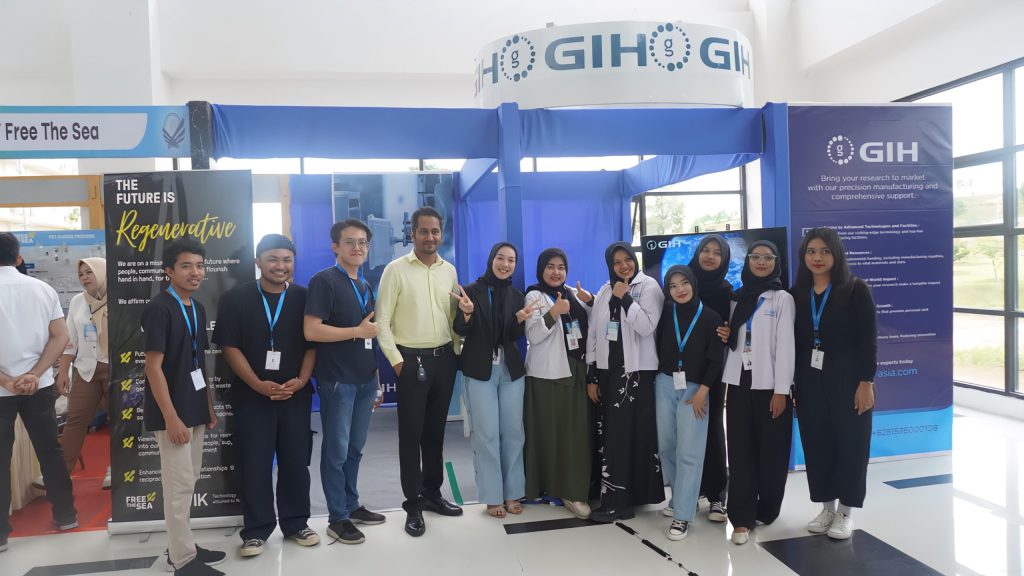
GIH product booth at ICGI

Students Interview: Exploring opportunities with GIH

GIH team at International Conference on Green Innovation

Capturing moments with GIH

During the inaugural session, GIH’s President Director, Phuspitaa Naaidu, shared the vision of “Future Earth Innovators,” steering the transition to a sustainable world. This initiative combines environmental stewardship with technological advancements, representing GIH’s commitment to shaping a sustainable future.

At its core, Future Earth Innovators drives transformative change towards a sustainable world, seeking solutions that harmonize environmental preservation with technological progress.


The President Director of GIH presented matters related to GIH
Strategic Partnership "GIH and ITEBA" mark MOU Signing

The signing of the Memorandum of Understanding (MOU) marked the beginning of a strategic partnership, signifying joint efforts in research, innovation, and education, contributing to sustainable development.

ICGI participant documentation
GIH team at International Conference on Green Innovation


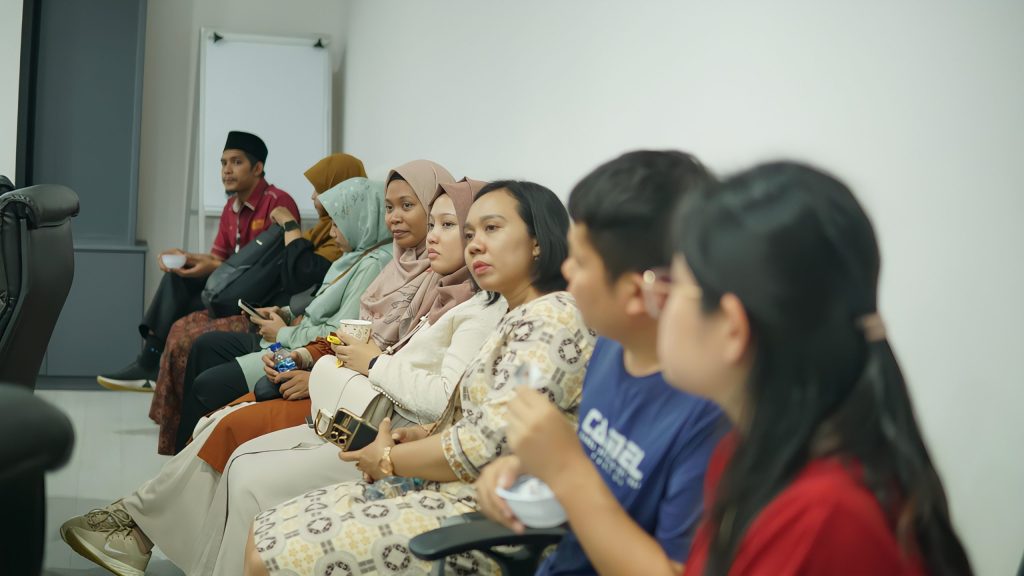
The second day explored green innovation pragmatically. GIH led an industrial speaking session, covering job opportunities, internships for ITEBA students, and an introduction to the company. The session, featuring a Q&A, allowed students to engage with industry professionals, gaining valuable insights.


The event concluded with a visit to PT GIH by esteemed professors, gaining a comprehensive understanding of GIH’s production processes and facilities and exploring potential collaborations. Collaboration and partnerships are vital for innovation and growth at GIH. The visit showcased expertise, built connections, and laid the foundation for fruitful collaborations in plastic cased parts with electronic integration.

ITEBA, UTM, UPM, and BRIN visit GIH
collaboration between GIH and ITEBA, UTM, UPM, and BRIN

At GIH, we believe that collaboration and partnerships are vital for innovation and growth. Visit to GIH was an excellent opportunity for us to showcase our expertise, build meaningful connections, and lay the foundation for fruitful collaborations. We look forward to a future of shared successes and advancements in the field of plastic cased parts with electronic integration.

Revolutionary Designs: Products that are Redefining Our World

In a world where innovation is the cornerstone of progress, product engineering designs are constantly pushing the boundaries of what’s possible, creating products that not only meet the needs of today but redefine our expectations for the future. This discourse delves into some of the best-engineered products that stand as a testament to human ingenuity, exploring the essence of what makes them the epitome of exceptional product engineering design.

  •  Preceding Technology:
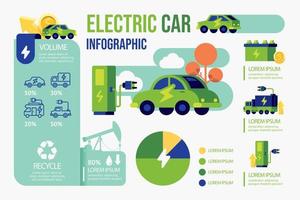
  • Before Tesla’s foray into the automotive sector, traditional gasoline-powered vehicles dominated the market. These vehicles relied on internal combustion engines, which were notorious for emitting greenhouse gases contributing to environmental pollution. Although electric vehicles (EVs) existed, they were often perceived as impractical due to limited range, prolonged charging times, and lack of charging infrastructure.
  • Technology :
  • Tesla’s transformative approach to electric vehicle technology is built around several core components. The high-efficiency electric motor is based on a three-phase, four-pole AC induction motor with copper rotor, which allows the motor to generate a significant amount of power while maintaining a compact size.
  • Tesla’s battery technology is another critical aspect of its innovative design. Utilizing lithium-ion cells, Tesla engineered a high-energy-density battery pack that extends the driving range of its vehicles significantly. The battery management system meticulously monitors and manages the battery cells to ensure optimal performance and longevity. Additionally, Tesla’s self-driving technology leverages deep neural networks to process data from the vehicle’s onboard sensors, enabling autonomous driving capabilities. Over-the-air software updates are a hallmark of Tesla’s approach, allowing the company to deploy performance enhancements and new features directly to vehicles, ensuring they improve over time.
  • Industry Transformation:
  • Tesla’s introduction of
    high-performance electric cars altered the narrative surrounding EVs. With superior range, rapid charging capabilities, and sleek design, Tesla demonstrated that electric vehicles could not only match but surpass gasoline-powered cars in terms of performance and convenience. Moreover, Tesla’s aggressive push towards building charging infrastructure has played a pivotal role in propelling the EV industry forward, setting a new standard for
    automotive engineering and environmentally-conscious transportation.

●       Preceding Technology:

○       Before the advent of Apple’s M1 chip, most personal computers and laptops were powered by x86-based processors manufactured by companies like Intel and AMD. These chips, while powerful, were often critiqued for high power consumption and heat generation, which impacted battery life and required elaborate cooling systems.

●       Technology:

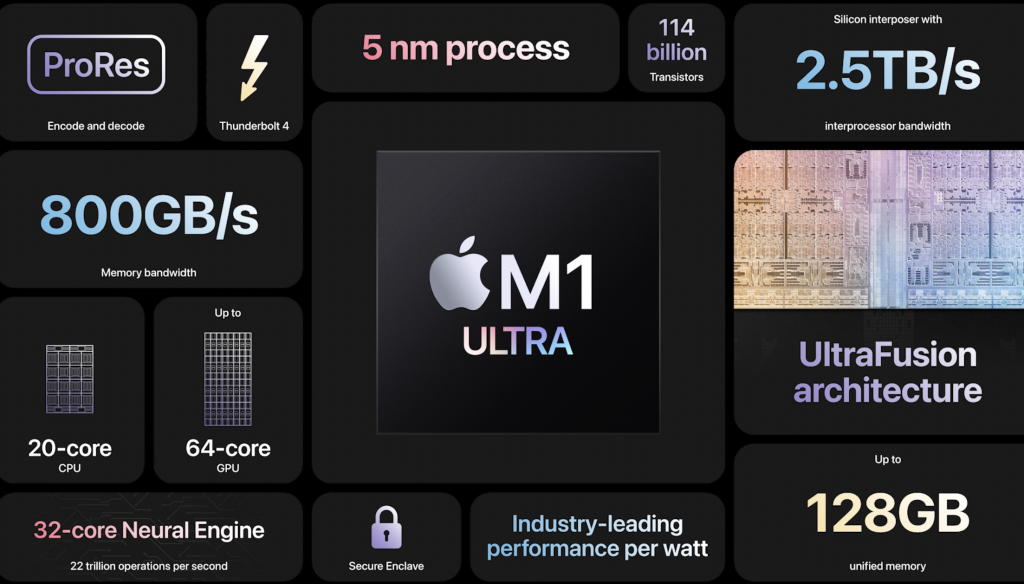
  • The groundbreaking design of Apple’s M1 chip centers around its ARM-based architecture, which is fundamentally different from the x86 architecture used in previous processors. This shift allows for more efficient processing and lower power consumption. The M1 chip incorporates an 8-core CPU and an 8-core GPU, delivering a balanced mix of performance and efficiency. Its unified memory architecture (UMA) consolidates memory into a single pool, which reduces the latency often found in traditional systems and enhances performance.
  •  Additionally, the 16-core Neural Engine is dedicated to accelerating machine learning tasks, which is pivotal for modern-day computing applications. The SoC (System on a Chip) design encapsulates various components into one silicon chip, simplifying the internal architecture and further enhancing performance and efficiency.

●       Industry Transformation:

  • The introduction of the ARM-based M1 chip by Apple heralded a paradigm shift in the computing world. With its superior performance, lower power consumption, and efficient heat management, the M1 chip showcased the potential of ARM architecture in personal computing. This innovation has spurred a competitive race in the semiconductor industry, with other players exploring ARM-based chips to match the efficiency and performance offered by the M1, thus redefining the trajectory of processor design and energy efficiency in computing.
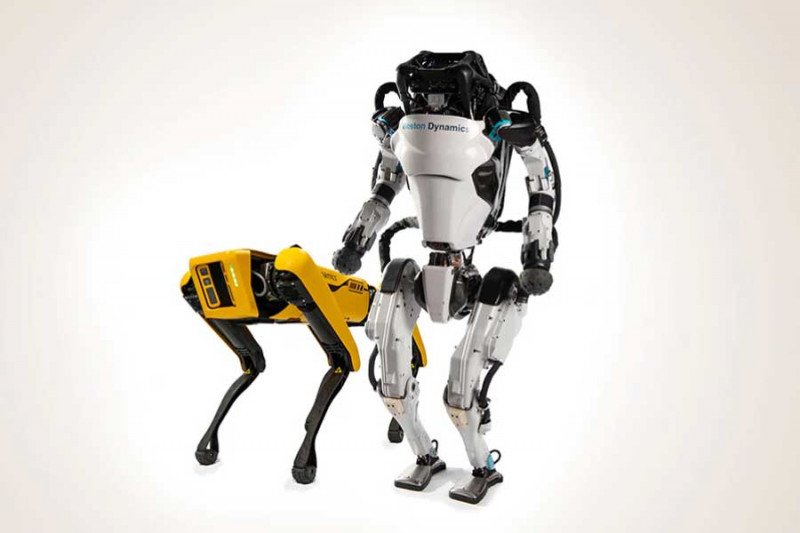
  • Preceding Technology :
  • Before the inception of Spot, industrial robots were primarily confined to structured environments like factories, where they executed repetitive tasks. The notion of autonomous robots navigating through unstructured, rugged terrains was largely unexplored, owing to the limitations in mobility, autonomy, and robustness of existing robotic systems.
  • Technology :
  • Spot’s innovative design stems from its unique mechanical structure and sophisticated software algorithms. The robot’s mobility is achieved through a quadrupedal design, which mimics the movement of animals, enabling Spot to traverse a variety of terrains with ease. Each leg is powered by three custom motors that provide the necessary torque and range of motion. 
  • Spot’s onboard sensors, including LiDAR and stereo cameras, provide real-time environmental data which is processed by advanced perception algorithms to enable autonomous navigation. The software platform SpotCore facilitates integration with various payloads and third-party hardware, making Spot adaptable to a wide range of tasks. Its behavior can be customized through an API, enabling developers to create novel applications and capabilities for the robot.
  •  Industry Transformation: Spot’s debut marked a milestone in the field of robotics, showcasing an unprecedented level of mobility, autonomy, and adaptability in unstructured environments. Its capability to navigate challenging terrains, carry loads, and perform inspections autonomously has broadened the horizon for robotic applications in various industries including construction, agriculture, and public safety. Spot’s modular design allows for a variety of attachments and sensors, enabling customization for diverse tasks, thereby pushing the boundaries of what’s possible in robotic engineering and operational capabilities.

1. Innovative Solutions :

The hallmark of exceptional product engineering design lies in its ability to proffer innovative solutions to real-world problems. Whether it’s Tesla’s electric vehicles curbing greenhouse gas emissions or Apple’s M1 chip revolutionizing computing efficiency, the essence of innovation is palpable.

2. Integration of Cutting-Edge Technologies:

Integrating the latest technologies is pivotal in creating products that redefine our world. For instance, the incorporation of autonomous navigation and machine learning in Boston Dynamics’ Spot Robot showcases a seamless meld of hardware and software to achieve enhanced functionality and versatility.

3. Sustainability

Sustainability is becoming a crucial aspect of product design, with a growing emphasis on creating products that have a minimal environmental impact. Tesla’s focus on electric power is a prime example of how sustainability considerations are integral to revolutionary product engineering design.

The voyage through these engineering marvels elucidates the profound impact of innovative design in shaping a better and more advanced world. As we stand on the cusp of further technological advancements, the role of exceptional product engineering design in fostering sustainable and groundbreaking solutions becomes increasingly cardinal, hinting at an exhilarating era of innovation that lies ahead.

2024 Supply Chain Outlook: Navigating a Matrix of Risks Across Continents

As we step into 2024, the global supply chains are at a critical juncture, facing the triad of technological evolution, sustainability drives, and geopolitical shifts. This exploration begins with a global outlook, gradually zooming into the Asian, Southeast Asian, and Indonesian landscapes, providing crucial insights for decision-makers aiming to strengthen supply chain resilience in this changing scenario.

Global Perspective

1. Technological Innovations (250 words):

The modern supply chain landscape is becoming increasingly intertwined with technological advancements, driving unprecedented levels of efficiency, transparency, and operational effectiveness.

Blockchain Technology: Blockchain stands as a cornerstone for fostering enhanced transparency and traceability across supply chain processes. By leveraging a decentralized ledger, organizations can attain a single version of truth, ensuring data integrity and facilitating real-time tracking of goods from production to delivery. Notable initiatives like IBM and Maersk’s TradeLens platform have exemplified the transformative potential of blockchain in streamlining shipping documentation processes, thereby reducing delays and cutting down operational costs.

Artificial Intelligence (AI): AI is at the helm of propelling data-driven decision-making within supply chains. By harnessing the power of machine learning algorithms, organizations can delve into predictive analytics, foreseeing potential disruptions and making informed decisions to mitigate risks. AI-powered solutions like demand forecasting, inventory optimization, and route planning are becoming indispensable for modern supply chains.


Internet of Things (IoT): The IoT is fostering a paradigm of real-time monitoring and analytics within supply chain operations. By deploying IoT sensors across various touchpoints, organizations can monitor the status of goods, track environmental conditions, and ensure compliance with quality standards. This level of real-time insight is instrumental in minimizing losses, ensuring timely deliveries, and enhancing customer satisfaction.

2. Sustainability Pursuits

The global trajectory towards sustainability is compelling a strategic reevaluation within supply chain domains, accentuating ethical sourcing, circular economy integration, and carbon footprint diminution. Leading corporations, such as Unilever and Nike, are trailblazing sustainability endeavors. For instance, Unilever’s Sustainable Living Plan aims to halve the environmental footprint of its products by 2030, while Nike is targeting a 65% reduction in carbon emissions across its global supply chain by 2030.


These initiatives are emblematic of a broader paradigm shift towards the adoption of sustainable practices like recycling, renewable energy utilization, and ethical sourcing to ensure a socially responsible and environmentally benign supply chain. The alignment of supply chain strategies with sustainability tenets is not only fostering a positive societal and environmental impact but is also perceived as a conduit for long-term risk mitigation and value creation in a progressively eco-conscious global market landscape.

3. Geopolitical Dynamics

The simmering trade discord between the US and China continues to cast a long shadow over global supply chain configurations, nudging entities to broaden their sourcing and manufacturing horizons to cushion against geopolitical vicissitudes. The imposition of tariffs and trade restrictions has incited a quest for alternative sourcing and manufacturing hubs, reducing dependency on a single region and thereby diluting geopolitical risk. This evolving dynamic is fostering a more diversified global supply chain framework, better poised to navigate the choppy waters of international trade relations and ensuring a more resilient supply chain infrastructure capable of withstanding geopolitical tremors.

Asian Focus

1. China’s Plus One Strategy

The ‘China Plus One’ strategy has emerged as a pragmatic approach for businesses aiming to diversify their manufacturing bases to mitigate risks associated with over-reliance on China. Countries like Vietnam, India, and Indonesia have been identified as viable alternatives, each offering unique advantages. For instance, Vietnam boasts a skilled labor force and proximity to China, India offers a vast domestic market, and Indonesia has abundant natural resources. This strategy not only provides a buffer against geopolitical and trade uncertainties but also taps into the diverse competencies of these emerging manufacturing hubs.

2. Regional Trade Frameworks

The Regional Comprehensive Economic Partnership (RCEP) is a monumental trade agreement that encompasses 15 asian nations, creating the world’s largest free trade zone. By simplyfying customs producedures and reducing tariffs, RCEP is expected to foster a more intergrated and effecient supply chain acosystem in asia. The agreement also sets a framework for digital trade, intellectual property protection, and dispute resolution, providing a conducive environment for cross-border trade and investment. the harmonization of trade rules under RCEP is anticipated to reduce barriers, enchance market access, and promote regional economic integration, there by facilitating smoother supply chain operation across member countries.

Southeast Asian Lens

1. Supply Chain Realignment


The shifting global trade dynamics have cast a spotlight on Southeast Asia as a viable alternative for supply chain realignment. Countries like Vietnam, Thailand, and Malaysia are making strides in enhancing their logistical and infrastructural capabilities to attract global businesses. Strategic geographic location, favorable trade agreements, and improving ease of doing business rankings are some of the factors propelling this shift. Additionally, government incentives, competitive labor costs, and burgeoning industrial zones are further incentivizing global companies to realign their supply chains towards this region.

dfdfd
dasdasdad

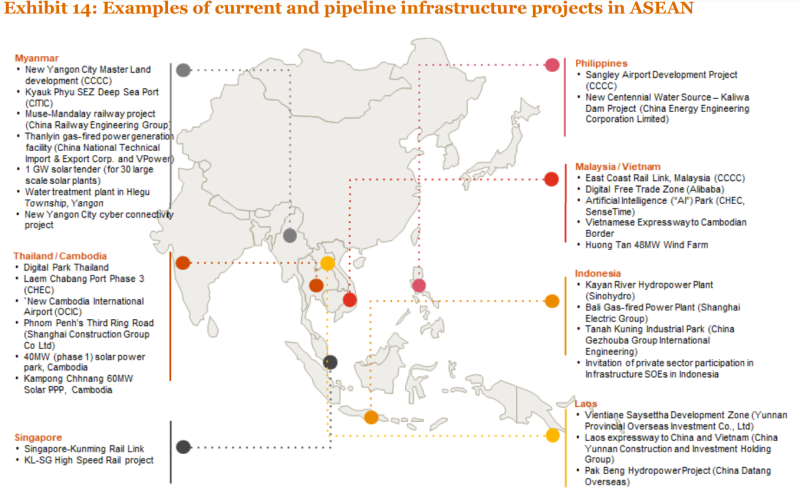
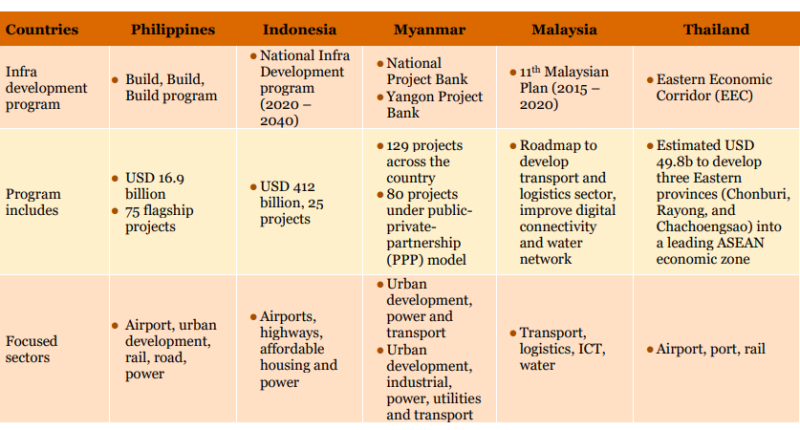
2. Infrastructure Investments


To accommodate the burgeoning global supply chain realignments, substantial investments are being channeled into upgrading logistics, transportation, and digital infrastructure across Southeast Asia. Improved port facilities, expanded road networks, and modernized logistics hubs are pivotal for ensuring a seamless operational continuum. Moreover, digital transformation initiatives are being adopted to streamline customs procedures, enhance trade facilitation, and foster a conducive environment for digital trade. The concerted efforts towards infrastructural development and digitalization are anticipated to propel Southeast Asia into a new era of supply chain excellence, accommodating the evolving needs of global businesses.

Indonesian Viewpoint

1. Regulatory Reforms

The Omnibus Law on Job Creation (Law No. 11 of 2020) is a landmark regulatory reform in Indonesia, aimed at simplifying bureaucratic procedures, attracting foreign investments, and boosting domestic manufacturing. By easing licensing processes and improving investment climate, the Omnibus Law endeavors to enhance Indonesia’s competitiveness in the global supply chain landscape. Furthermore, the law introduces provisions for better labor flexibility, streamlined business licensing, and improved ease of doing business, which are expected to significantly bolster Indonesia’s position as a viable manufacturing hub in the region.

2. Digitalization and Resource Management

Indonesia is making strides in digital transformation to elevate its supply chain competencies. Initiatives like the digitization of customs procedures, implementation of single window systems for trade, and fostering a conducive environment for e-commerce are critical steps towards digitalization. Additionally, strategic policies like the nickel ore export ban underscore Indonesia’s aspiration to move up the value chain by retaining its natural resources for domestic processing and manufacturing. The concerted efforts towards digitalization and resource management are anticipated to foster a more value-added, efficient, and resilient supply chain ecosystem in Indonesia.

Graph showing Indonesia's progress in ease of doing business rankings from Statista

Navigating through 2024, understanding the multi-faceted aspects shaping the supply chain landscape from a global to local perspective is crucial. Decision-makers, armed with insights into technological advancements, sustainability norms, and regional policy landscapes, are better positioned to develop robust, resilient, and efficient supply chain frameworks in this dynamic environment.

Consumer Choices: How ABS & PP Impact Everyday Products

Imagine a child’s toy, resilient and vibrant – thank ABS for that durability and color stability. Envision the reliable food container in your fridge, safeguarding your meal’s freshness – that’s PP ensuring flexibility and chemical resistance.

Navigating through the dynamic world of plastics, ABS and PP emerge not just as materials but as architects of our daily experiences. Join us as we delve into the technical universe of ABS and PP, exploring their silent yet impactful presence in our everyday lives, and unraveling the science that makes them indispensable in product design.

FDTI’s Visit to GIH: Exploring Collaborations & Partnership in Plastic Cased Parts with Electronic Integration

FDTI’s Visit to GIH : Strengthening Industry Collaboration and Partnership

Observing GIH's Production Processes and Facilities: A Step Towards Collaborative Success

On May 26th, 2023, GIH had the privilege of hosting a delegation from FDTI (Forum Dekan Teknik Wilayah Barat), an esteemed body comprising deans from the engineering faculties of the west region universities in Indonesia. The purpose of their visit was twofold: to gain a comprehensive understanding of our production processes and facilities and to explore potential collaborations and partnerships between GIH and FDTI and its members.

The visit commenced with a brief introduction to GIH in our product design office meeting space. We provided an overview of our company, highlighting our expertise in plastic cased parts with electronic integration and our commitment to innovation. The deans were eager to witness our operations firsthand, and we embarked on a comprehensive plant walk-through.

  1. Production Line: Accompanied by our knowledgeable staff, the delegation explored various areas of our facility. We started at the production line, where they observed the intricacies of horizontal and vertical injection molding, wire harness manufacturing, and SMT PCBA assembly. The deans were impressed by our advanced technologies and efficient processes.
  2. Tooling Inventory Room & Workshop: Next, we proceeded to the tooling facility and the tool room, where we showcased our capabilities in tool fabrication and maintenance. The deans were fascinated by the precision and craftsmanship involved in creating molds and appreciated the importance of this critical stage in the production cycle.
  3. Warehouse: Continuing the tour, we visited the warehouse, where they witnessed our streamlined inventory management systems and our commitment to ensuring efficient logistics. 
  4. Secondary Process Lab: We also showcased our secondary process treatment lab, highlighting our dedication to delivering high-quality finished products to our clients.
  5. Offices: As they ventured through both floors of our offices, the deans got a glimpse into our collaborative work environment, driven by innovation and expertise.

During the visit, we fostered networking opportunities between the FDTI members and GIH staff. A break was provided, accompanied by snacks, allowing for informal discussions and the exchange of ideas. It was during this time that a few FDTI members tried their hands at one of our company’s products—a floating globe utilizing magnetic field technology. With a little guidance, they successfully made the globe float, showcasing the practical application of physics in our products.

The highlight of the visit was the signing of a Memorandum of Understanding (MOU) between FDTI and GIH. This formalized our commitment to fostering collaboration and partnership in the field of plastic cased parts with electronic integration. The MOU outlined the areas of cooperation and the shared objectives of both organizations.

As the visit concluded, we bid farewell to the esteemed delegation at the reception. A closing speech and a discussion on collaboration methods reaffirmed our commitment to working together towards advancing the industry and empowering future engineers.

At GIH, we believe that collaboration and partnerships are vital for innovation and growth. The visit by FDTI was an excellent opportunity for us to showcase our expertise, build meaningful connections, and lay the foundation for fruitful collaborations. We look forward to a future of shared successes and advancements in the field of plastic cased parts with electronic integration.

GIH’s Visit to PCR: Exploring Collaborations and Empowering the Youth through Innovation

GIH’s Visit to PCR: Exploring Collaborations and Empowering the Youth through Innovation

Fostering Collaborations: GIH's Visit to Politeknik Caltex Riau (PCR) for Innovation and Empowerment

On March 19th, 2023, GIH was invited to  The purpose of the visit was to promote innovation, empower the youth, and discuss potential collaborations and partnerships between GIH and PCR.

GIH representatives, Mr. Ramloo Nachiah and Ms. Phuspitaa Naaidu, were warmly welcomed by Dr. Mohammad Yanuar Hariyawan, the director of PCR. The meeting took place at the Director’s Building R. 203, where innovative product ideas were presented by the talented students, alumni, and staff of PCR. These ideas focused on practical solutions and sustainability.

Dr. Yanuar expressed gratitude for GIH’s visit and their interest in PCR’s innovative products. He emphasized the importance of collaboration and the potential for fruitful partnerships. GIH representatives reciprocated the warm welcome, expressing their enthusiasm for working together to empower the youth through innovative solutions.

Presentations on the history and background of both organizations set the stage for engaging discussions. GIH representatives actively shared their thoughts and provided valuable feedback on the presented ideas. The discussions were constructive, with PCR taking note of GIH’s insights.

The visit included a tour of the PCR campus, showcasing ongoing research and development activities. GIH representatives were impressed by the state-of-the-art facilities and the vibrancy of the campus. The PCR team expressed gratitude for the visit and their optimism for future collaborations.

The visit was a success, highlighting the commitment to future collaborations and partnerships. GIH and PCR look forward to the exciting prospects ahead as they continue to promote innovation and empower the youth through practical solutions. This visit exemplified their shared vision for making a meaningful impact.

Stay tuned for more updates as GIH and PCR embark on a journey of innovation and collaboration, shaping a better future for the youth and beyond.

MANUFACTURING EXPERIENCE

Scope listed in GIH’s published industry portfolio.

This is an application reference, not a complete customer case study. Customer identity, production dates, part dimensions, volumes and measured results are not specified in the published entry.

View original portfolio ↗
PROJECT INQUIRY

Tell us about your part.

Create an email-ready project brief. Review and send it through your email application.

Start with a non-confidential brief. Ask about an NDA before sharing protected drawings. Files selected here are not uploaded; attach them separately only after agreeing handling arrangements. How your inquiry is handled.