PRECISION ENGINEERING / BATAM
PRECISION
ENGINEERING

Revolutionary Designs: Products that are Redefining Our World

In a world where innovation is the cornerstone of progress, product engineering designs are constantly pushing the boundaries of what’s possible, creating products that not only meet the needs of today but redefine our expectations for the future. This discourse delves into some of the best-engineered products that stand as a testament to human ingenuity, exploring the essence of what makes them the epitome of exceptional product engineering design.

  •  Preceding Technology:
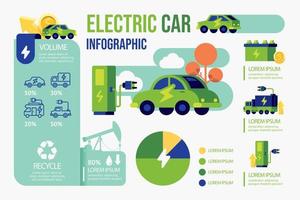
  • Before Tesla’s foray into the automotive sector, traditional gasoline-powered vehicles dominated the market. These vehicles relied on internal combustion engines, which were notorious for emitting greenhouse gases contributing to environmental pollution. Although electric vehicles (EVs) existed, they were often perceived as impractical due to limited range, prolonged charging times, and lack of charging infrastructure.
  • Technology :
  • Tesla’s transformative approach to electric vehicle technology is built around several core components. The high-efficiency electric motor is based on a three-phase, four-pole AC induction motor with copper rotor, which allows the motor to generate a significant amount of power while maintaining a compact size.
  • Tesla’s battery technology is another critical aspect of its innovative design. Utilizing lithium-ion cells, Tesla engineered a high-energy-density battery pack that extends the driving range of its vehicles significantly. The battery management system meticulously monitors and manages the battery cells to ensure optimal performance and longevity. Additionally, Tesla’s self-driving technology leverages deep neural networks to process data from the vehicle’s onboard sensors, enabling autonomous driving capabilities. Over-the-air software updates are a hallmark of Tesla’s approach, allowing the company to deploy performance enhancements and new features directly to vehicles, ensuring they improve over time.
  • Industry Transformation:
  • Tesla’s introduction of
    high-performance electric cars altered the narrative surrounding EVs. With superior range, rapid charging capabilities, and sleek design, Tesla demonstrated that electric vehicles could not only match but surpass gasoline-powered cars in terms of performance and convenience. Moreover, Tesla’s aggressive push towards building charging infrastructure has played a pivotal role in propelling the EV industry forward, setting a new standard for
    automotive engineering and environmentally-conscious transportation.
●       Preceding Technology:

○       Before the advent of Apple’s M1 chip, most personal computers and laptops were powered by x86-based processors manufactured by companies like Intel and AMD. These chips, while powerful, were often critiqued for high power consumption and heat generation, which impacted battery life and required elaborate cooling systems.

●       Technology:

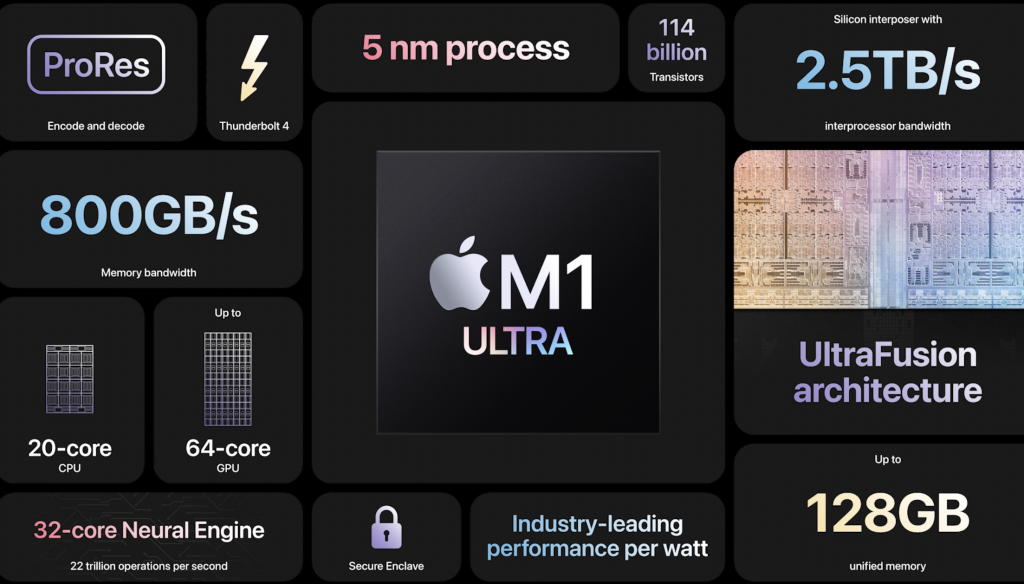
  • The groundbreaking design of Apple’s M1 chip centers around its ARM-based architecture, which is fundamentally different from the x86 architecture used in previous processors. This shift allows for more efficient processing and lower power consumption. The M1 chip incorporates an 8-core CPU and an 8-core GPU, delivering a balanced mix of performance and efficiency. Its unified memory architecture (UMA) consolidates memory into a single pool, which reduces the latency often found in traditional systems and enhances performance.
  •  Additionally, the 16-core Neural Engine is dedicated to accelerating machine learning tasks, which is pivotal for modern-day computing applications. The SoC (System on a Chip) design encapsulates various components into one silicon chip, simplifying the internal architecture and further enhancing performance and efficiency.

●       Industry Transformation:

  • The introduction of the ARM-based M1 chip by Apple heralded a paradigm shift in the computing world. With its superior performance, lower power consumption, and efficient heat management, the M1 chip showcased the potential of ARM architecture in personal computing. This innovation has spurred a competitive race in the semiconductor industry, with other players exploring ARM-based chips to match the efficiency and performance offered by the M1, thus redefining the trajectory of processor design and energy efficiency in computing.
  • Preceding Technology :
  • Before the inception of Spot, industrial robots were primarily confined to structured environments like factories, where they executed repetitive tasks. The notion of autonomous robots navigating through unstructured, rugged terrains was largely unexplored, owing to the limitations in mobility, autonomy, and robustness of existing robotic systems.
  • Technology :
  • Spot’s innovative design stems from its unique mechanical structure and sophisticated software algorithms. The robot’s mobility is achieved through a quadrupedal design, which mimics the movement of animals, enabling Spot to traverse a variety of terrains with ease. Each leg is powered by three custom motors that provide the necessary torque and range of motion. 
  • Spot’s onboard sensors, including LiDAR and stereo cameras, provide real-time environmental data which is processed by advanced perception algorithms to enable autonomous navigation. The software platform SpotCore facilitates integration with various payloads and third-party hardware, making Spot adaptable to a wide range of tasks. Its behavior can be customized through an API, enabling developers to create novel applications and capabilities for the robot.
  •  Industry Transformation: Spot’s debut marked a milestone in the field of robotics, showcasing an unprecedented level of mobility, autonomy, and adaptability in unstructured environments. Its capability to navigate challenging terrains, carry loads, and perform inspections autonomously has broadened the horizon for robotic applications in various industries including construction, agriculture, and public safety. Spot’s modular design allows for a variety of attachments and sensors, enabling customization for diverse tasks, thereby pushing the boundaries of what’s possible in robotic engineering and operational capabilities.

1. Innovative Solutions :

The hallmark of exceptional product engineering design lies in its ability to proffer innovative solutions to real-world problems. Whether it’s Tesla’s electric vehicles curbing greenhouse gas emissions or Apple’s M1 chip revolutionizing computing efficiency, the essence of innovation is palpable.

2. Integration of Cutting-Edge Technologies:

Integrating the latest technologies is pivotal in creating products that redefine our world. For instance, the incorporation of autonomous navigation and machine learning in Boston Dynamics’ Spot Robot showcases a seamless meld of hardware and software to achieve enhanced functionality and versatility.

3. Sustainability

Sustainability is becoming a crucial aspect of product design, with a growing emphasis on creating products that have a minimal environmental impact. Tesla’s focus on electric power is a prime example of how sustainability considerations are integral to revolutionary product engineering design.
The voyage through these engineering marvels elucidates the profound impact of innovative design in shaping a better and more advanced world. As we stand on the cusp of further technological advancements, the role of exceptional product engineering design in fostering sustainable and groundbreaking solutions becomes increasingly cardinal, hinting at an exhilarating era of innovation that lies ahead.

2024 Supply Chain Outlook: Navigating a Matrix of Risks Across Continents

As we step into 2024, the global supply chains are at a critical juncture, facing the triad of technological evolution, sustainability drives, and geopolitical shifts. This exploration begins with a global outlook, gradually zooming into the Asian, Southeast Asian, and Indonesian landscapes, providing crucial insights for decision-makers aiming to strengthen supply chain resilience in this changing scenario.

Global Perspective

1. Technological Innovations (250 words):

The modern supply chain landscape is becoming increasingly intertwined with technological advancements, driving unprecedented levels of efficiency, transparency, and operational effectiveness.

Blockchain Technology: Blockchain stands as a cornerstone for fostering enhanced transparency and traceability across supply chain processes. By leveraging a decentralized ledger, organizations can attain a single version of truth, ensuring data integrity and facilitating real-time tracking of goods from production to delivery. Notable initiatives like IBM and Maersk’s TradeLens platform have exemplified the transformative potential of blockchain in streamlining shipping documentation processes, thereby reducing delays and cutting down operational costs.

Artificial Intelligence (AI): AI is at the helm of propelling data-driven decision-making within supply chains. By harnessing the power of machine learning algorithms, organizations can delve into predictive analytics, foreseeing potential disruptions and making informed decisions to mitigate risks. AI-powered solutions like demand forecasting, inventory optimization, and route planning are becoming indispensable for modern supply chains.


Internet of Things (IoT): The IoT is fostering a paradigm of real-time monitoring and analytics within supply chain operations. By deploying IoT sensors across various touchpoints, organizations can monitor the status of goods, track environmental conditions, and ensure compliance with quality standards. This level of real-time insight is instrumental in minimizing losses, ensuring timely deliveries, and enhancing customer satisfaction.

2. Sustainability Pursuits

The global trajectory towards sustainability is compelling a strategic reevaluation within supply chain domains, accentuating ethical sourcing, circular economy integration, and carbon footprint diminution. Leading corporations, such as Unilever and Nike, are trailblazing sustainability endeavors. For instance, Unilever’s Sustainable Living Plan aims to halve the environmental footprint of its products by 2030, while Nike is targeting a 65% reduction in carbon emissions across its global supply chain by 2030.


These initiatives are emblematic of a broader paradigm shift towards the adoption of sustainable practices like recycling, renewable energy utilization, and ethical sourcing to ensure a socially responsible and environmentally benign supply chain. The alignment of supply chain strategies with sustainability tenets is not only fostering a positive societal and environmental impact but is also perceived as a conduit for long-term risk mitigation and value creation in a progressively eco-conscious global market landscape.

3. Geopolitical Dynamics

The simmering trade discord between the US and China continues to cast a long shadow over global supply chain configurations, nudging entities to broaden their sourcing and manufacturing horizons to cushion against geopolitical vicissitudes. The imposition of tariffs and trade restrictions has incited a quest for alternative sourcing and manufacturing hubs, reducing dependency on a single region and thereby diluting geopolitical risk. This evolving dynamic is fostering a more diversified global supply chain framework, better poised to navigate the choppy waters of international trade relations and ensuring a more resilient supply chain infrastructure capable of withstanding geopolitical tremors.

Asian Focus

1. China’s Plus One Strategy

The ‘China Plus One’ strategy has emerged as a pragmatic approach for businesses aiming to diversify their manufacturing bases to mitigate risks associated with over-reliance on China. Countries like Vietnam, India, and Indonesia have been identified as viable alternatives, each offering unique advantages. For instance, Vietnam boasts a skilled labor force and proximity to China, India offers a vast domestic market, and Indonesia has abundant natural resources. This strategy not only provides a buffer against geopolitical and trade uncertainties but also taps into the diverse competencies of these emerging manufacturing hubs.

2. Regional Trade Frameworks

The Regional Comprehensive Economic Partnership (RCEP) is a monumental trade agreement that encompasses 15 asian nations, creating the world’s largest free trade zone. By simplyfying customs producedures and reducing tariffs, RCEP is expected to foster a more intergrated and effecient supply chain acosystem in asia. The agreement also sets a framework for digital trade, intellectual property protection, and dispute resolution, providing a conducive environment for cross-border trade and investment. the harmonization of trade rules under RCEP is anticipated to reduce barriers, enchance market access, and promote regional economic integration, there by facilitating smoother supply chain operation across member countries.

Southeast Asian Lens

1. Supply Chain Realignment


The shifting global trade dynamics have cast a spotlight on Southeast Asia as a viable alternative for supply chain realignment. Countries like Vietnam, Thailand, and Malaysia are making strides in enhancing their logistical and infrastructural capabilities to attract global businesses. Strategic geographic location, favorable trade agreements, and improving ease of doing business rankings are some of the factors propelling this shift. Additionally, government incentives, competitive labor costs, and burgeoning industrial zones are further incentivizing global companies to realign their supply chains towards this region.

dfdfd
dasdasdad

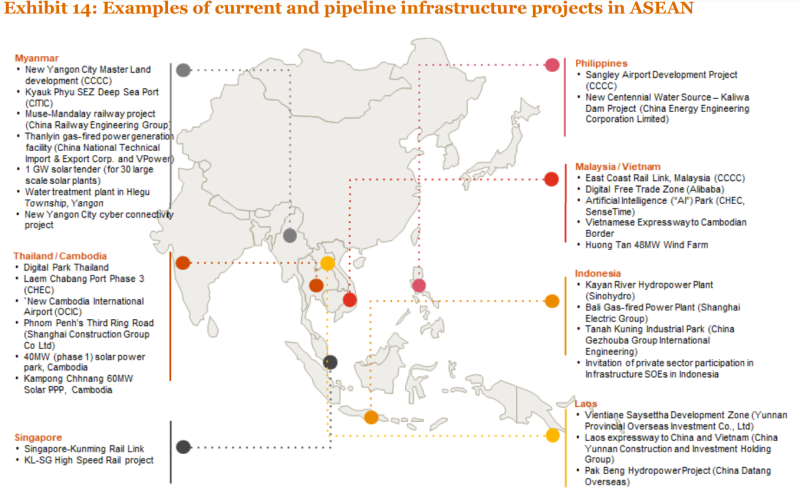
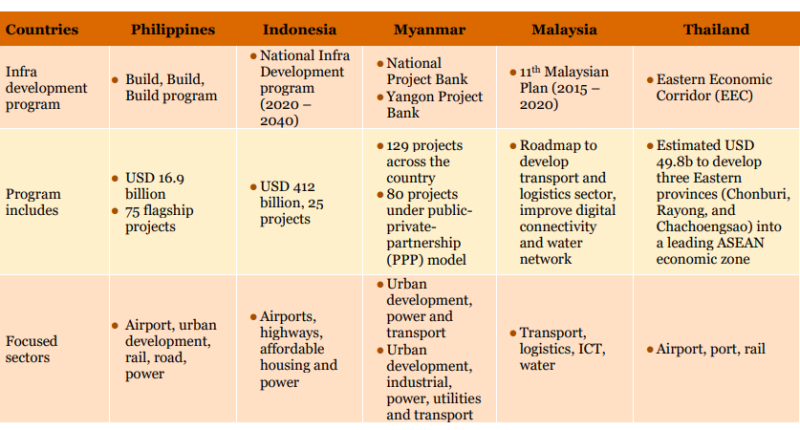
2. Infrastructure Investments


To accommodate the burgeoning global supply chain realignments, substantial investments are being channeled into upgrading logistics, transportation, and digital infrastructure across Southeast Asia. Improved port facilities, expanded road networks, and modernized logistics hubs are pivotal for ensuring a seamless operational continuum. Moreover, digital transformation initiatives are being adopted to streamline customs procedures, enhance trade facilitation, and foster a conducive environment for digital trade. The concerted efforts towards infrastructural development and digitalization are anticipated to propel Southeast Asia into a new era of supply chain excellence, accommodating the evolving needs of global businesses.

Indonesian Viewpoint

1. Regulatory Reforms

The Omnibus Law on Job Creation (Law No. 11 of 2020) is a landmark regulatory reform in Indonesia, aimed at simplifying bureaucratic procedures, attracting foreign investments, and boosting domestic manufacturing. By easing licensing processes and improving investment climate, the Omnibus Law endeavors to enhance Indonesia’s competitiveness in the global supply chain landscape. Furthermore, the law introduces provisions for better labor flexibility, streamlined business licensing, and improved ease of doing business, which are expected to significantly bolster Indonesia’s position as a viable manufacturing hub in the region.

2. Digitalization and Resource Management

Indonesia is making strides in digital transformation to elevate its supply chain competencies. Initiatives like the digitization of customs procedures, implementation of single window systems for trade, and fostering a conducive environment for e-commerce are critical steps towards digitalization. Additionally, strategic policies like the nickel ore export ban underscore Indonesia’s aspiration to move up the value chain by retaining its natural resources for domestic processing and manufacturing. The concerted efforts towards digitalization and resource management are anticipated to foster a more value-added, efficient, and resilient supply chain ecosystem in Indonesia.

Graph showing Indonesia's progress in ease of doing business rankings from Statista

Navigating through 2024, understanding the multi-faceted aspects shaping the supply chain landscape from a global to local perspective is crucial. Decision-makers, armed with insights into technological advancements, sustainability norms, and regional policy landscapes, are better positioned to develop robust, resilient, and efficient supply chain frameworks in this dynamic environment.

Consumer Choices: How ABS & PP Impact Everyday Products

Imagine a child’s toy, resilient and vibrant – thank ABS for that durability and color stability. Envision the reliable food container in your fridge, safeguarding your meal’s freshness – that’s PP ensuring flexibility and chemical resistance.

Navigating through the dynamic world of plastics, ABS and PP emerge not just as materials but as architects of our daily experiences. Join us as we delve into the technical universe of ABS and PP, exploring their silent yet impactful presence in our everyday lives, and unraveling the science that makes them indispensable in product design.

MANUFACTURING EXPERIENCE

Scope listed in GIH’s published industry portfolio.

This is an application reference, not a complete customer case study. Customer identity, production dates, part dimensions, volumes and measured results are not specified in the published entry.

View original portfolio ↗
PROJECT INQUIRY

Tell us about your part.

Create an email-ready project brief. Review and send it through your email application.

Start with a non-confidential brief. Ask about an NDA before sharing protected drawings. Files selected here are not uploaded; attach them separately only after agreeing handling arrangements. How your inquiry is handled.