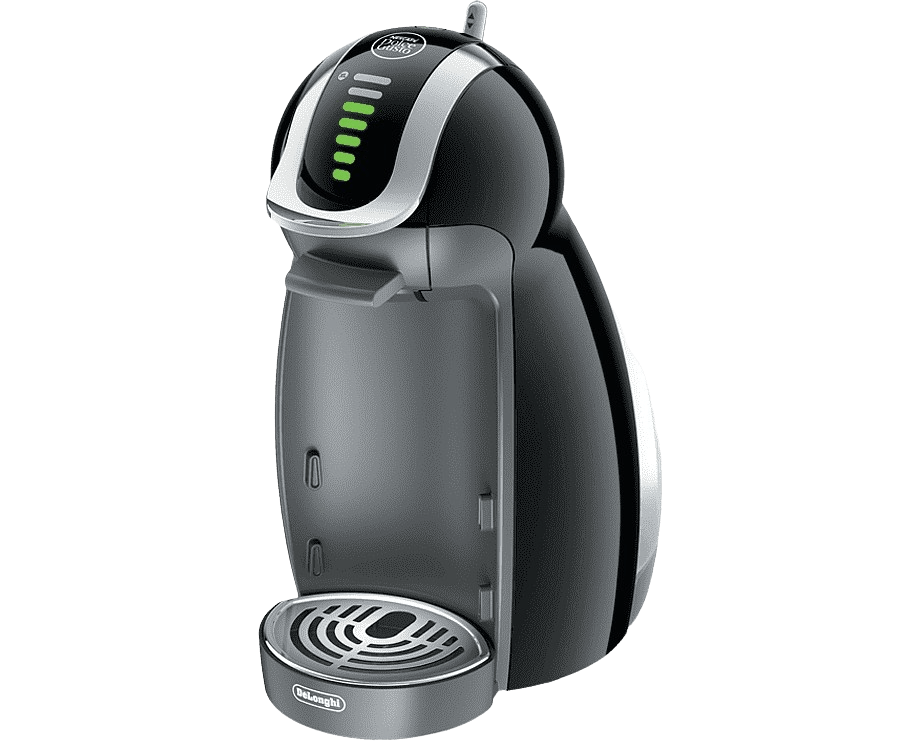
Home appliances
Coffee makers, vacuum cleaners and electric shavers. Portfolio scope ↗
 PRECISION
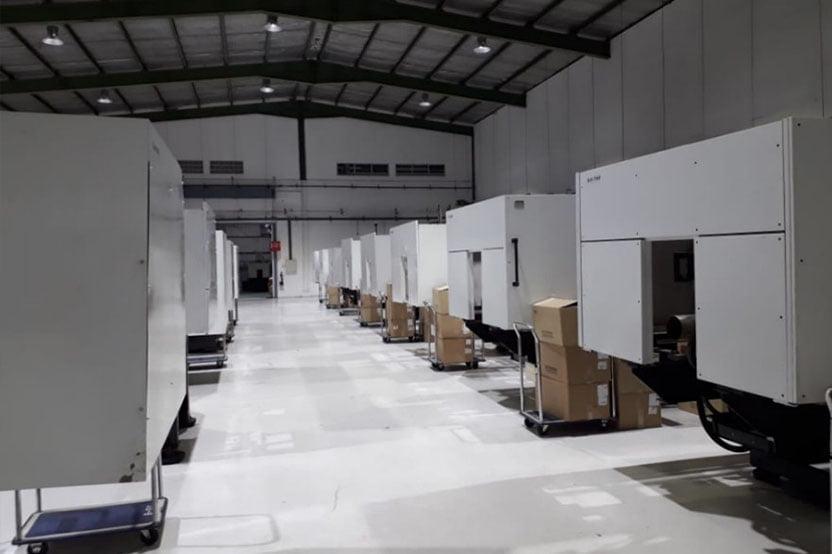
Molded plastic parts, insert-molded components and overmolded assemblies. Our current platform combines a 55–550 T machine range, robotic molding automation and dimensional inspection, with ±0.01 mm tolerance on agreed part features.
| Capability | Scope & engineering considerations |
|---|---|
| Precision components | ±0.01 mm (±10 µm) on agreed critical features, with the material, geometry and process defined during engineering review. |
| Thick-wall parts | Thick-wall molding, with part geometry, wall transitions, packing, cooling and internal-quality requirements reviewed together. |
| Insert molding | Plastic molded around an insert. Define the insert material, location, retention, loading method and surfaces that must remain exposed. |
| Overmolding | A molded layer added to an existing substrate or component. Resin pairing, adhesion or mechanical retention, interface geometry and machine compatibility are reviewed for the application. |
| Multi-cavity production | Multi-cavity tooling and production. Cavity count, fill balance and cavity-to-cavity acceptance are agreed during tooling review. Service details ↗ |
| Integrated supply | Molding can connect to trimming, dual-colour pad printing, ultrasonic welding, wire harnessing, sub-assembly, inspection and packaging. Scope can be a part, a sub-assembly or an agreed box-build package. |
Overmolding is engineered around the material pairing, substrate, tool and production cell.
| Technology | How it is used |
|---|---|
| 55–550 T molding capacity | Clamping-force range in metric tonnes-force. Tool fit, platen interface, tie-bar clearance, shot requirement and resin must be checked against the selected machine. |
| Japanese machines & robotics | Japanese injection molding technology with automated robotic handling. Part removal and handling requirements are scoped to the mold, part and cell. |
| Oil- & water-based temperature control | Mold-temperature controllers support controlled tooling conditions during production. Temperature-control technology ↗ |
| Resin drying & feeding | Dehumidifying dryers and automatic material loaders form part of the published material-handling technology. Material handling ↗ |
| In-house digital systems / 2026 | Proprietary tool-management and machine-management software supports GIH’s advanced-automation direction. Integration and customer reporting are defined for each project. |
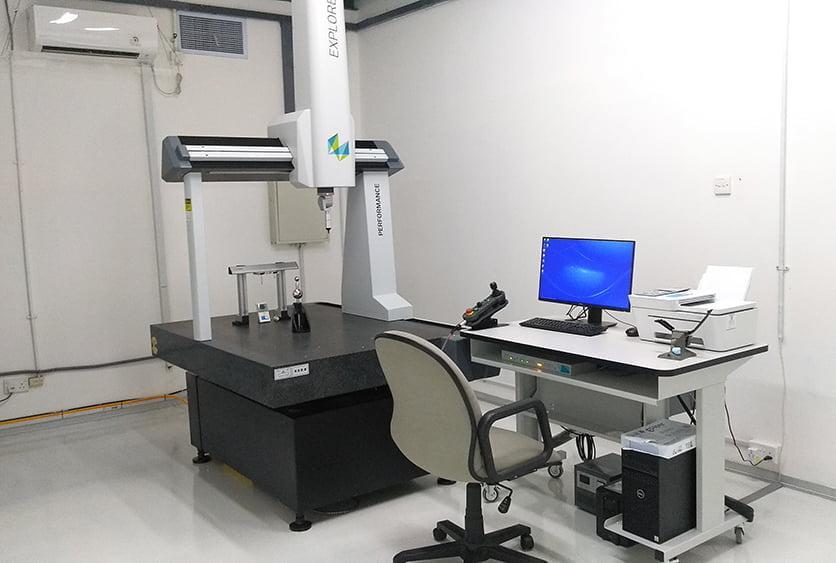
| Dimensional verification | Hexagon CMM and SmartScope metrology support drawing-led part measurement. The inspection method, datums and sampling plan are agreed before release. |

Processing engineering polymers and biopolymers into functional components.
| Material family | Selection & qualification |
|---|---|
| Engineering-polymer options | The published material-selection scope includes nylon (PA), ABS, polycarbonate (PC), acetal (POM) and acrylic (PMMA). Grade, filler, colour and application history are confirmed per project. Published material options ↗ |
| General-purpose thermoplastics | Polyethylene (PE), polypropylene (PP) and PVC appear in the published material scope. Processing suitability and grade-specific requirements need review. Published material options ↗ |
| Biopolymer options | Biopolymer options include PLA, PHA and PBS, with grade selection and validation matched to the application. Biopolymer options ↗ |
| Application-specific grades | Application-led selection of high-temperature, flame-retardant, chemically resistant and reinforced grades, supported by feasibility review and validation. Specialty material scope ↗ |
| Circular-material substitution | New projects assess replacing the incumbent material with a circular material. Validate supply, processing, dimensions, performance and cost per accepted part before approving a change. |
Molded components and integrated assemblies across the industries we serve.
Coffee makers, vacuum cleaners and electric shavers. Portfolio scope ↗

Instrument clusters and remote vehicle monitoring. Portfolio scope ↗

Switchgear, architectural LED lighting, load-balance sensors, printers, machine tower lights and road traffic control systems. Portfolio scope ↗

Wireless door locks, combining molded parts with electronics integration. Portfolio scope ↗
Patient flow and bed-management systems; infant matching and security applications. Portfolio scope ↗

Modular water tanks and modular vertical gardens. Portfolio scope ↗
Supply the drawing, 3D model, resin grade, annual demand and critical features. The quotation target is 1 week from complete project requirements.
Confirm the machine interface, tooling condition, resin preparation and material-handling route. DFM and mold-flow analysis belong to the connected tooling-engineering stage.
Review filling, packing, cooling, ejection, part appearance and dimensional results. Document the settings and acceptance criteria needed for the part.
A 2-day buy-off window once the tool or process is ready for acceptance against agreed criteria.
Quick mold changeovers use SMED-based preparation and standardized routines. Actual setup time remains mold- and machine-specific.
Quotation target: 1 week from a complete technical brief. Production, tooling and qualification schedules are scoped separately.