
Connected products
Wireless door locks: molded components and electronics integration. Application scope ↗
 PRECISION
Turn a product requirement into an engineered plastic component or integrated assembly. Connect concept design, SolidWorks CAD and physical prototyping with the downstream decisions that determine tooling, assembly and cost.

| Capability | Scope & engineering considerations |
|---|---|
| Concept & requirements | Clarify user needs, application environment, product interfaces, cost objectives and the intended manufacturing route. GIH’s design process includes concept development and feasibility review. Service details ↗ |
| SolidWorks product CAD | Develop part and assembly geometry in SolidWorks. Product-level interfaces and assembly intent are developed before the tooling-specific DFM and mold-flow stage. Service details ↗ |
| 3D prototyping | Produce physical models to evaluate form, fit, interfaces and handling. Prototype material and process limitations must be distinguished from molded-production performance. Service details ↗ |
| Integrated product architecture | Plastic parts can be considered alongside SMT, wire-harness and mechanical interfaces. Electrical connectivity, thermal needs and assembly access should be captured in the brief. Service details ↗ |
| Production documentation | The published documentation scope includes BOMs, 2D/3D CAD, process flows, quality checklists and material data sheets. The document set and ownership are agreed for the engagement. Service details ↗ |
SolidWorks provides the CAD basis. The manufacturing connection brings in-house tool fabrication, plastic molding, finishing, assembly and testing into the development discussion. Service details ↗
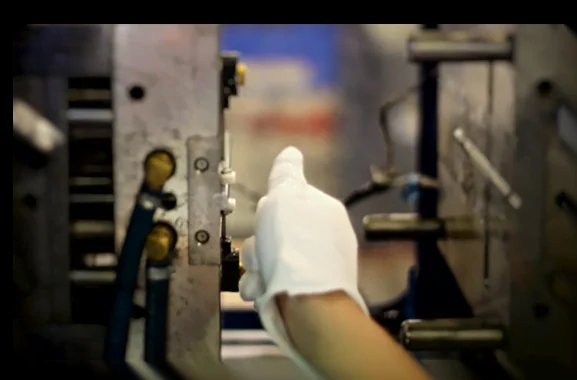
Component and assembly experience relevant to your next project.
Wireless door locks: molded components and electronics integration. Application scope ↗

Instrument clusters: manufacturing experience in automotive components. Application scope ↗
Agree the product brief, interfaces, operating conditions and commercial goals.
Develop the selected concept and CAD, including assembly relationships and critical features.
Review physical samples against the agreed questions; record changes and unresolved risks.
Freeze the agreed design revision and pass the drawing, BOM and requirements to tooling engineering.
Quotation target: 1 week from a complete technical brief. Production, tooling and qualification schedules are scoped separately.